


Short Itinerary
Day 1: Cusco → Capuliyoc → Santa Rosa
Drive to trailhead → descend into the Apurímac Canyon → lunch in Chiquisca → cross river → uphill to Santa Rosa camp.
12 km | Moderate–Challenging | Tents
Day 2: Santa Rosa → Marampata → Choquequirao Base Camp
Steep 4-hour climb to Marampata → lunch → gentle hike to base camp with canyon views.
7 km | Very Challenging | Tents
Day 3: Choquequirao Citadel Tour → Marampata
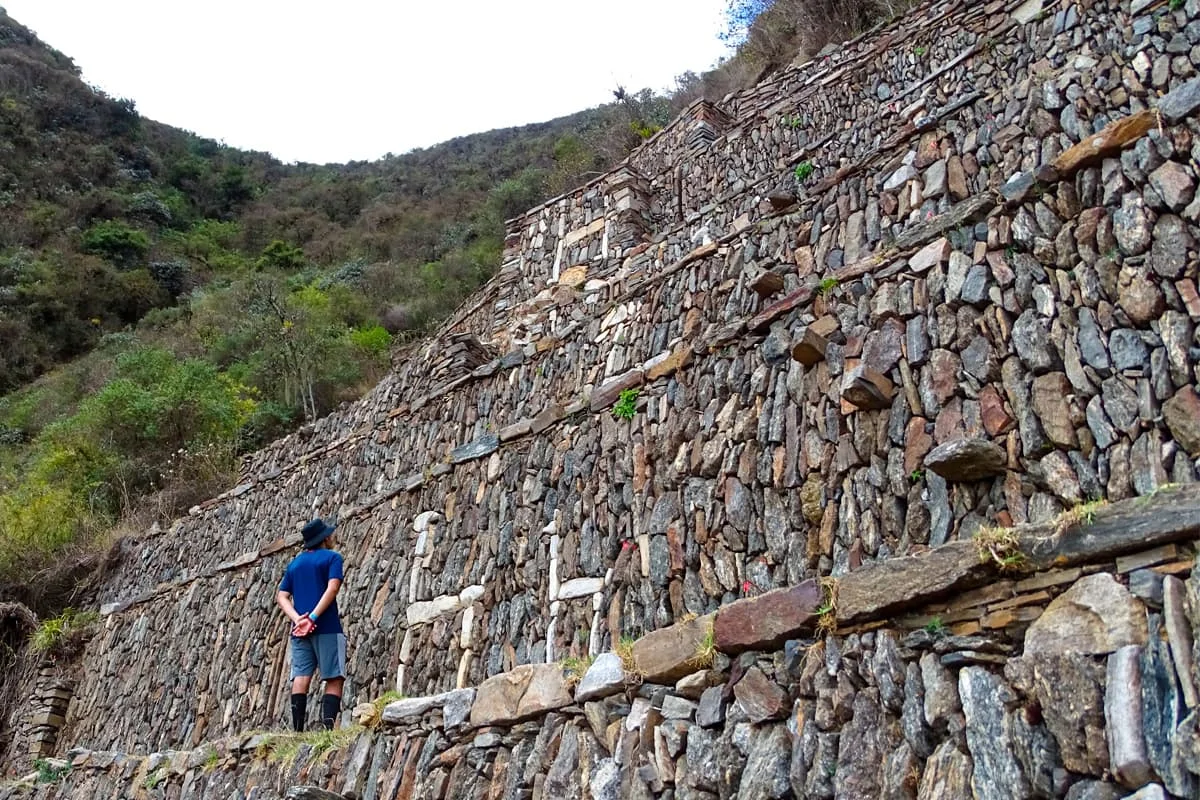
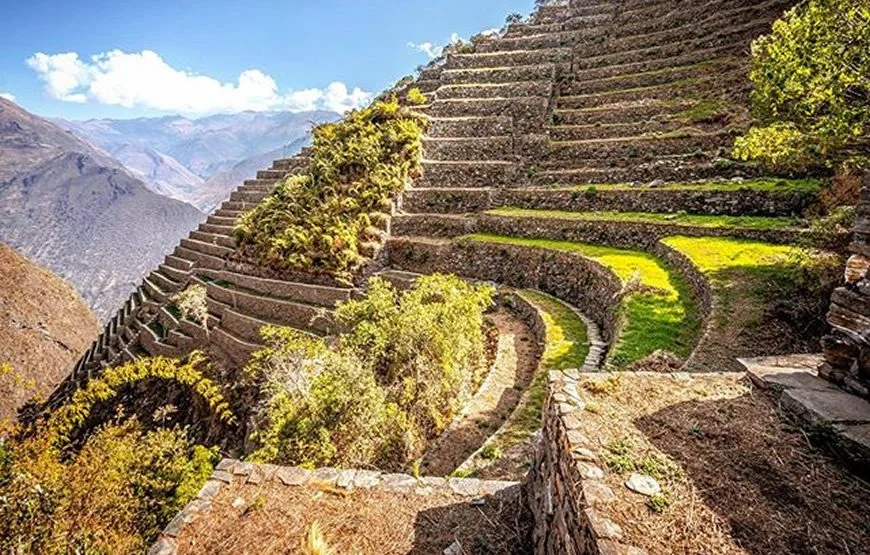
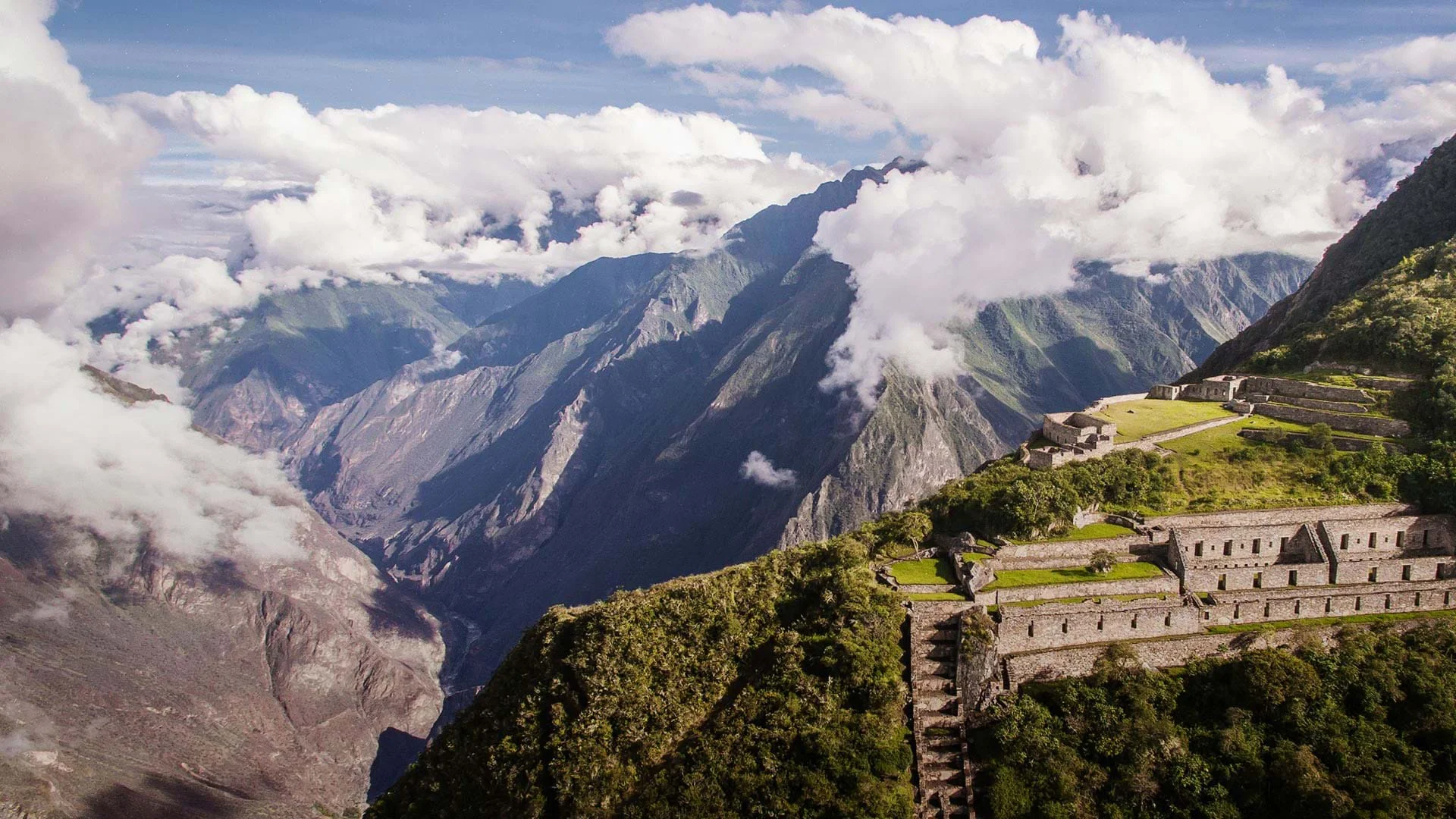
Hike to Choquequirao (the “sister of Machu Picchu”) → guided tour of terraces, temples, and iconic llama stone carvings → return to Marampata.
9 km | Easy–Moderate | Tents
Day 4: Marampata → Playa Rosalinas → Cocamasana
Descend through Santa Rosa → lunch at Playa Rosalinas → final climb to Cocamasana camp.
11 km | Moderate | Tents
Day 5: Cocamasana → Capuliyoc → Cusco
Last hike out of the canyon → farewell meal → scenic drive back to Cusco (~6:00 p.m.).
5 km | Moderate
Detail Itinerary
Day 1: Cusco – Capuliyoc – Chiquisca – Playa Rosalinas – Santa Rosa
We will pick you up from your hotel in Cusco around 5:00 am and drive approximately four hours through the stunning Andean highlands. Along the way, you will enjoy breathtaking views of snow-capped peaks, fertile valleys, and traditional Andean villages.
Upon arrival at Capuliyoc (2,874 m / 9,429 ft), the starting point of our trek, we will enjoy a delicious breakfast and meet our trekking team, including our professional chef and horseman who will accompany us throughout the journey.
After breakfast, we begin our descent into the Apurímac Canyon, one of the deepest canyons in the world. As we hike down, you will witness diverse landscapes, unique flora, and spectacular views of the Apurímac River far below.
We stop for lunch at Chiquisca (1,861 m / 6,105 ft) before continuing to Playa Rosalinas (1,484 m / 4,868 ft). After crossing the bridge, we start a challenging uphill hike to Santa Rosa (2,403 m / 7,884 ft), our first campsite.
At camp, enjoy a well-deserved dinner and relax under the star-filled Andean sky as our team prepares for the next day’s journey.
- Hiking Distance: 12 km / 7.5 miles
- Hiking Time: 6–7 hours
- Maximum Elevation: 2,874 m / 9,429 ft
- Minimum Elevation: 1,484 m / 4,868 ft
- Difficulty: Moderate to Challenging
- Accommodation: Camping in Tents
Day 2: Santa Rosa – Marampata – Choquequirao Base Campsite
We start the day with an early wake-up call and a warm cup of coca tea. After a hearty breakfast, we begin the most challenging ascent of the trek, hiking uphill for approximately four hours along a steep zigzagging trail until reaching the Andean village of Marampata (2,897 m / 9,504 ft).
From here, the landscape transforms into deep valleys and spectacular mountain scenery. In Marampata, we will enjoy a delicious lunch to recharge our energy.
After lunch, we continue along a relatively flat and easier path to reach our second campsite, the Choquequirao Base Campsite.
This campsite offers incredible panoramic views of the surrounding canyons and snow-capped mountains. In the evening, you will enjoy a stunning sunset followed by dinner under a sky filled with stars.
- Hiking Distance: 7 km / 4.34 miles
- Trek Duration: 5–6 hours
- Maximum Elevation: 2,897 m / 9,504 ft
- Minimum Elevation: 2,043 m / 6,702 ft
- Difficulty: Very Challenging
- Accommodation: Camping in Tents
Day 3: Choquequirao Base Campsite – Choquequirao Citadel – Marampata
Today is the most rewarding and anticipated day of the trek. After breakfast, we hike along a gently sloping path toward the Choquequirao Citadel. After approximately one hour of hiking, we arrive at this magnificent archaeological complex (3,079 m / 10,164 ft).
Our expert guide will lead a comprehensive tour through Choquequirao, exploring its ceremonial plazas, temples, water channels, and impressive terraces, including the famous llama figures crafted with white quartz stones.
You will learn about the historical importance of Choquequirao, its role as one of the last Inca strongholds, and the ongoing archaeological excavations that continue to reveal its secrets.
After enjoying lunch near the citadel, we return to Marampata, where we will enjoy dinner and spend the night.
- Hiking Distance: 9 km / 5.59 miles
- Trek Duration: 7–8 hours
- Maximum Elevation: 3,079 m / 10,164 ft
- Minimum Elevation: 2,836 m / 9,304 ft
- Difficulty: Easy to Moderate
- Accommodation: Camping in Tents
Day 4: Marampata – Playa Rosalinas – Cocamasana
Breakfast will be ready around 6:00 AM. After witnessing the sunrise and enjoying our meal, we’ll begin our descent back into the Apurímac Canyon, retracing our steps toward Marampata, where we’ll take a last gaze at one of the deepest canyons in Peru. We will then continue descending to Santa Rosa and Playa Rosalinas.
At Playa Rosalinas, we’ll take a break and enjoy a well-deserved lunch, resting before our final uphill hike to Cocamasana Campsite (2,286 m / 7,500 ft). Here, you will relax, enjoy the peaceful surroundings, and savor a delicious dinner prepared by the trekking team, spending our last night on the trail.
- Distance: 11 km / 6.83 miles
- Max Elevation: 2,897 m / 9,504 ft
- Min Elevation: 1,484 m / 4,868 ft
- Difficulty: Moderate
- Trek Duration: 6-7 hours
Day 5: Cocamasana – Capuliyoc – Cusco
Waking up in the middle of the Andes, we’ll start our final day with an early breakfast at around 5:00 AM while taking in one last panoramic view of the breathtaking Apurímac Canyon.
Afterward, we’ll hike the final stretch back to Capuliyoc. Here, we will enjoy our last meal with all the Pureq Travel family and then say goodbye to our team. Then, we’ll board our private transport back to Cusco, arriving in the evening around 6:00 PM.
- Distance: 5 km / 3.10 miles
- Max Elevation: 2,906 m / 9,534 ft
- Min Elevation: 2,286 m / 7,500 ft
- Difficulty: Moderate
- Trek Duration: 3-4 hours
- Includes
- Experienced Guide: Expert about Andean history, culture, and nature. They will ensure you have an immersive and enriching experience while trekking to Choquequirao.
- Pre-departure Brieffing: pre-departure briefings session at our office and assistance with any questions you may have before the tour.
- Professional Chef: Our chef creates incredible dishes on the Choquequirao expedition.
- Pick-up & Drop-off in Cusco: Pick-up from your hotel in Cusco and private transport to the starting point at Capuliyoc. After completing the trek, our private vehicle will take you back to Cusco.
- 7 Kilograms of Your Personal Belongings: Our mules will carry 7 kilograms of your personal belongings along the trek, so you don’t have to carry extra weight. The 7-kilogram weight limit includes your sleeping bag and sleeping pad.
- Mules & Muleteers: Our mules will carry all the food and camping gear for the four-day journey, as well as up to 7 kg (15 lbs) of your personal belongings. Our horsemen will guide the mules along the entire route.
- Tents: three-season tents designed for comfort and protection against varying Andean weather conditions.
- Foam mattress: We provide a foam sleeping pad to ensure a good night’s sleep.
- Dining Tent with Tables & Chairs: A large, covered dining tent ensures a comfortable meal experience, even in unpredictable weather conditions.
- Portable Toilet:We will provide portable toilets and set up toilet tents conveniently close to our own camping space, eliminating the need for long walks during the night.
- Hot Water Bowls:Each and every day (before and after trekking), we provide you with hot water so you can properly clean your hands and face.
- Meals: Our professional chef prepares three meals daily, using local ingredients to keep you fueled for the trek. (Vegetarian, vegan, and gluten-free options are available upon request.)
- Daily Snacks & Hot Drinks: We provide daily snacks, fresh fruit, and hot drinks (coca tea, coffee, and herbal infusions) to keep you energized throughout the trek.
- Boiled Drinking Water: We supply purified drinking water at each campsite. Bring a refillable water bottle or hydration pack to stay hydrated.
- First Aid Kit: Our experienced guides carry a first aid kit to handle any minor injuries or medical issues that may arise during the trek. Your safety is our top priority during the Choquequirao trek.
- Oxygen Tank: Our guides are fully prepared with an emergency oxygen tank to ensure your well-being throughout the Choquequirao trek. They are trained to recognize the signs of altitude sickness to keep you safe and help you enjoy the trek with confidence.”
- Satellite Phone: Even in the remote areas of the Choquequirao trek, our guides have a satellite phone to stay in touch with emergency services. This means you’ll have peace of mind knowing help is just a call away.
- Duffle Bag: You’ll receive a duffle bag during the briefing to pack your clothes and essentials for the trek.
- Rain Poncho: We provide a plastic rain poncho to keep you dry during rainy weather. This extra protection helps you stay comfortable on the Choquequirao trek.
- Daypack Cover: We also give you a backpack cover to protect your bag from rain, dust, and dirt. This keeps your belongings saf e and dry throughout the trek.
- Entrance Fees to Choquequirao: The entrance fee to the Archaeological Park is included in your trek package, so you don’t have to worry about extra cost.
- Free Storage: We offer free storage for your extra belongings at our office in Cusco, so you can leave anything you don’t need during the trek. Your items will be safe while you’re on the trail.
- T-Shirt: After finishing the Choquequirao trek, you’ll receive our special Pureq Travel Choquequirao T-shirt as a memento of your adventure.
- Radio Communications: Our guides and cooks stay in contact with radio communication to ensure everything runs smoothly during the trek. This helps keep the team organized and makes your experience more enjoyable.
- Not Included
- Sleeping Bag.
- Trekking Poles.
- Tips for the Crew.
- Inflatable mattress.
- Personal expenses.
- Personal riding horse. Additional horses may be rented according to the needs of the individual and group.
INFO
- The Choquequirao trail is open all year, even during the rainy season, unlike the Inca Trail. You don’t have to book months ahead because it’s not crowded with tourists. You can choose to hike during the dry or wet season, and you’ll have a special experience no matter when you go..
- During the 5-day Choquequirao trek, you can only buy bottled water at three campsites: Marampata, Santa Rosa Baja, and Chikiska. However, the prices there are higher because supplies have to be brought in by horses over long distances. Some campsites, like the Choquequirao campsite, do not have any shops, so you cannot buy bottled water there.This 5-day trek to Choquequirao is not recommended for travelers with back problems
- We do not offer the 5-day Choquequirao trek in January, February, and March because it rains a lot during these months. The trail becomes very muddy and slippery. Also, since the trail is in a valley, there is a danger of landslides or falling rocks, making the trek unsafe
Pro Tips
- Before you start the 5-day Choquequirao Trek, make sure your trekking shoes are not too tight. It’s better to wear shoes that are a little bigger than your usual size. This helps prevent blisters when walking downhill because there will be less rubbing against your toes. However, if your shoes are too big, your feet might slide inside, making it uncomfortable. So, choose the right size for a comfortable trek.
- Stay in Cusco for at least two days before starting your 5-day Choquequirao hike. This will help your body adjust to the high altitude.
- Cut your toenails very short before you start your hike to Choquequirao. If your toenails are too long, they can press against your boots when going downhill, which can hurt or even make your nails fall off.
- Always be ready for rain, even in the dry season during the 5-day Choquequirao trek. Unexpected rain can make your trip uncomfortable if your clothes get completely wet and you have no way to dry them.
- Also, think about bringing sandals or comfy shoes to wear and relax after a long day of hiking
Duffle Bag
- At the meeting at our office in Cusco, we will give you a duffel bag to store your things. This bag will be carried by a pack horse and will only be available at the campsites.
- The bag cannot be heavier than 7 kg to keep the animals safe. About 3 kg of this weight will be for your sleeping bag (2 kg) and sleeping pad (1 kg), so you will have about 4 kg for your personal items.
- Pack only the most important clothes and personal things in the duffel bag. Keep items you need during the day, like water, snacks, a first aid kit, and rain gear, in your small backpack.
Choquequirao Weather
Choquequirao is deep in the Andes Mountains, where the weather can change quickly. Hikers should be ready for both hot and cold temperatures, as well as rainy and dry weather during the trip.
There are two main seasons: the dry season (April to October) and the rainy season (November to March). Each season has its own difficulties and benefits, so the best time to visit depends on personal preference and how well someone can handle different weather conditions.
Temperature Variations
In low areas like valleys and rainforests, the weather is warm and humid, with temperatures between 20°C and 26°C (68°F to 79°F). In higher places, especially near mountain passes, it is much cooler, with temperatures between 4°C and 6°C (39°F to 45°F). Nights are even colder during the dry season.
Dry Season (April–October)
The dry season is the best time for trekking because the weather is mostly sunny with little to no rain. During the day, temperatures are usually between 20°C and 26°C (68°F to 79°F), but nights can be very cold. In June and July, temperatures may drop as low as -5°C (41°F) at night.
Since there is no rain, the trails are in good condition. However, the sun can be very strong, especially in high places. Trekkers should bring sunscreen, sunglasses, and protective clothing to prevent sunburn. It can also be windy, especially in August.
Rainy Season (November–March)
During the rainy season, hikers will often see rain and cloudy skies. January, February, and March have the most rain, with heavy showers that can make the trails wet and slippery.
Even though it rains a lot, the weather during the day is not too cold, and nights are warmer than in the dry season. However, temperatures can drop suddenly, especially in the early mornings or in higher areas. To stay dry and comfortable, hikers should wear waterproof clothing, like a good rain jacket, a poncho, and strong hiking boots.
Best Time To Visit Choquequirao
The busiest time to visit Machu Picchu and other famous places is from May to August because many tourists come during these months. However, the Choquequirao trek is different because fewer people visit it, making it a quiet and peaceful place even in the busy season.
April is one of the best months to go trekking because the weather is good, and the scenery is very green and beautiful after the rains. From May to October, the skies are mostly clear, the temperature is comfortable, and the views of the Andes mountains are amazing.
No matter when you go, it is important to wear layers of clothing and be ready for any kind of weather because the conditions in the Andes can change quickly. Being well-prepared will make your trek safer and more enjoyable.
Physical Requirements
This hike is considered hard, so you should be in good shape. The Choquequirao trail is very steep, with two difficult uphill sections during the 5-day trek.
Choquequirao Solo Traveler
If you are traveling alone on the Choquequirao trek, you will share a tent with another traveler of the same gender. Couples will get their own tent. Before booking, please contact us to check which groups are available for you to join.
Pre-Departure Briefing
There will be a meeting at our Cusco Office at 6:00 p.m., one day before your 5-day Choquequirao hike starts. If you cannot attend at this time, please contact the Pureq Travel team by email to arrange another time.
The meeting lasts about 30-45 minutes. You will meet your guide, who will give you important details about the hike. This includes a list of things to bring, available rental equipment, and answers to any questions you may have.
Our office is at Marquez Street 250, Second Floor, Office 03, in the Historic Centre of Cusco.
Tipping In Our Choquequirao Tour
Tipping is common on Choquequirao tours. On the fourth day, before noon, we will say goodbye to our hardworking horseman and skilled chefs. This is the time when you can give them a tip if you wish. Any extra amount is always appreciated. However, tipping is not required, and you should never feel pressured to do it.
Most travelers usually combine their tips for the chef and horseman. For your tour guide, you can decide the amount based on your experience with them. It is best to give tips in Soles for the horsemen and chefs, while tour guides can accept either U.S. dollars or Soles.
- Horsemen: 50 to 100 Soles
- Cooks: 70 to 150 Soles
- Tour guides usually receive a higher tip than the cooks
Group Service
Our Choquequirao 5-day, 4-night group includes people of different ages and hiking experience. When you join, please understand that some may walk faster or slower than you. Everyone will hike at their own speed, and our tour guide will help make sure the group stays comfortable and happy.
Choquequirao Backpack Size
You can take any size backpack on the Choquequirao hike, whether small or large. But we suggest using a 25-liter backpack because it is small and easy to carry.
Choquequirao Shoes
Hiking on the Choquequirao trail is very different from walking on a flat road. Since you will be in the mountains, you will have to go up and down steep paths, most of which are dry and dusty. In some areas, the trail can be muddy and slippery, especially when it rains. That’s why we strongly recommend wearing trekking shoes with a good grip to help you walk safely on the rough ground. You can choose between hiking shoes or trekking boots, depending on what feels best for you. However, we suggest trekking boots with ankle support, especially if you are not used to hiking.
Choquequirao Bugs
You will see insects while hiking in Choquequirao at any time of the year, but the number of bugs changes with the seasons. There are more insects, especially mosquitoes, from August to November. This happens because the first rains of the year help them grow. To stay comfortable, it is a good idea to use insect repellent or wear protective clothing.
Choquequirao Cell Service
During your four-day hike along the Choquequirao path, you will have limited access to cellphone service, primarily if you are using Claro or Movistar. On the first day, you may experience a weak signal until you reach Capuliyoc, after which connectivity will be lost. For the second and third days of the trek, there will be no signal available at all, leaving you completely disconnected from mobile networks. However, once you complete your hike on the fourth day, you will regain cellphone service, allowing you to reconnect with the outside world. It is advisable to plan accordingly and inform others of your temporary inaccessibility before embarking on the journey.
FAQ´S
How difficult is the Choquequirao Trek?
The Choquequirao Trek is classified as challenging, with steep ascents and descents, and long hiking distances.
One of the toughest sections is the descent into Apurímac Canyon, followed by a strenuous climb back up. A good level of fitness and some hiking experience are highly recommended, though first-time trekkers with determination and preparation can successfully complete the journey.
What is the altitude of Choquequirao? Will I experience altitude sickness?
Choquequirao is at a height of 3,079 meters (10,101 feet). It is lower than Cusco, so there is less chance of getting altitude sickness. However, this does not mean you won’t get sick. There is still a risk if you are not used to the altitude. That is why we strongly recommend spending at least two days acclimatizing in Cusco, which is even higher at 3,400 meters (11,155 feet), before the trek. Staying hydrated, avoiding alcohol, and drinking coca tea can also help.
What is the best time to do the Choquequirao Trek?
The best season for the Choquequirao Trek is during the dry months from April to October, when the weather is more stable, and the trails are dry. The rainy season (November to March) brings heavy rains, making the trail muddier and more difficult, though the landscape is at its most lush and green during this time.
How does this trek compare to the Inca Trail?
The Choquequirao Trek is more challenging, remote, and less crowded than the Inca Trail. While the Inca Trail is well-maintained with original stone pathways leading directly to Machu Picchu, the Choquequirao route involves intense elevation changes, steep climbs, and rugged terrain. However, it offers stunning landscapes, fewer tourists, and a chance to explore Choquequirao ruins in near solitude. It’s ideal for adventurers seeking a more demanding but rewarding trek off the beaten path.
Do I need a special permit for Choquequirao?
No special permit is required for the Choquequirao Trek, unlike the Inca Trail, which has restricted permits. However, there is an entrance fee of approximately S/60 ($16 USD), which is included in our tour package.
What kind of accommodations can I expect?
The Choquequirao Trek is a camping trek, meaning all overnight stays are in high-quality tents at designated campsites. We provide spacious sleeping tents, comfortable sleeping pads, a dining tent, and a portable toilet tent for hygiene and privacy.
What are the campsites along the trek?
Our standard itinerary includes overnight stays at:
- Night 1: Santa Rosa Baja
- Night 2: Campsite near the Choquequirao ruins
- Night 3: Chikiska
What meals are provided during the trek?
Our trekking chef prepares fresh, high-energy meals using local ingredients. We provide breakfast, lunch, and dinner daily, including a mix of Peruvian and international dishes. We can accommodate vegetarian, vegan, and gluten-free diets—just let us know your dietary requirements in advance.
Will I have access to electricity and phone signal?
There is no electricity or WiFi along the trek. While some areas may have weak phone signals, connectivity is unreliable. We recommend bringing a portable power bank to keep your phone and camera charged.
Can I rent equipment if I don’t have my own?
- Yes, we offer high-quality rental equipment:
- Sleeping bag: $20 USD per trip
- Pair of Trekking poles: $15 USD per trip
What happens in case of an emergency?
Your safety is our priority. Our guides are trained in first aid and carry a first aid kit, emergency oxygen tank, and altitude sickness medication. If necessary, we can arrange evacuation by mule to the nearest town. In severe cases, an emergency helicopter evacuation may be arranged. However, the helicopter is only available on the third day because, on the other days, the terrain consists of slopes, and there is no place to land the helicopter. For the evacuation, you must have travel insurance
How can I book the Choquequirao Trek with Pureq Travel?
To book your 5-day trip to Choquequirao, visit our website and click on ‘Book Now.’ Then, select your departure date and fill out your personal information. The final step is making a payment, which can be done using a credit or debit card. Once we receive your deposit, we will send a manual confirmation, and your trip will be 100% confirmed
Note: We require a minimum of two trekkers to operate the tour. If you are traveling alone, contact us to check availability.
Is there a discount for students or children?
- Yes, we offer special discounts:
- Minors (up to 18 years old): $20 USD off
- Students (ages 19 to 25): $10 USD off
- Important: Students must provide a valid student ID card showing the name, university, and the expiration date.
How much should I tip the trek staff?
Tipping is optional but appreciated. If you’d like to tip, here’s a general guideline: If you would like, you may choose to tip more or less than what is suggested in our general guidelines, based on your discretion and satisfaction with the service provided.
- Muleteers: 50–80 soles
- Cook & staff: 80–100 soles
- Guide: 100 – 150 soles
Are there showers along the trek?
There are no shower facilities on the trail. Some campsites have basic water sources where you can freshen up with cold water.
Is there a minimum age for the trek?
We recommend a minimum age of 12 years old due to the trek’s difficulty. Participants should be physically fit and prepared for long days of hiking. If you have medical conditions, consult your doctor before booking.
When and where is the briefing session?
The pre-trek briefing is held the evening before departure at 6:00 PM at our office in Cusco (Marquez Street 250, Office 3, Second Floor). Your guide will review the itinerary, answer questions, and ensure you’re fully prepared.
What is your cancellation policy?
- 72 hours before departure: Full refund
- 24 hours before departure: 50% refund
- Less than 24 hours before departure: No refund
Will drinking water be provided?
Yes, our team provides purified water at each campsite. Please bring a refillable water bottle or hydration pack.
How much weight can I carry in my backpack?
We provide a duffle bag (7 kg limit) to be carried by mules and available only at campsites. You should keep your daypack light, carrying essentials like water, snacks, a jacket, and sunscreen.